Problem statement validation
Validating the challenges & direction
A
Gathering Feedback from Alpha Users
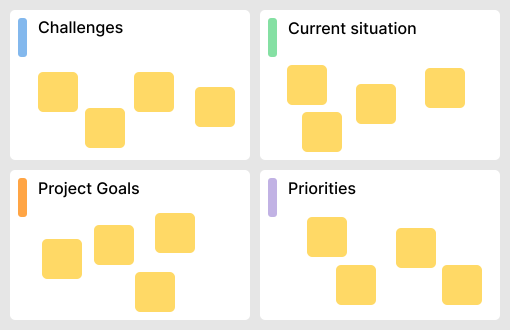
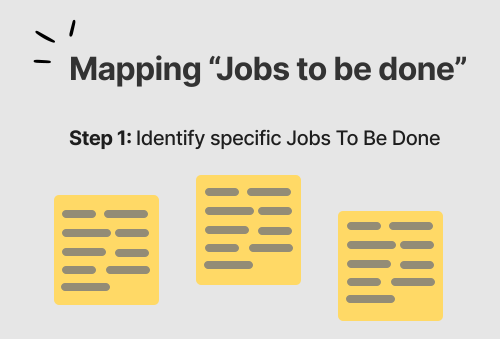
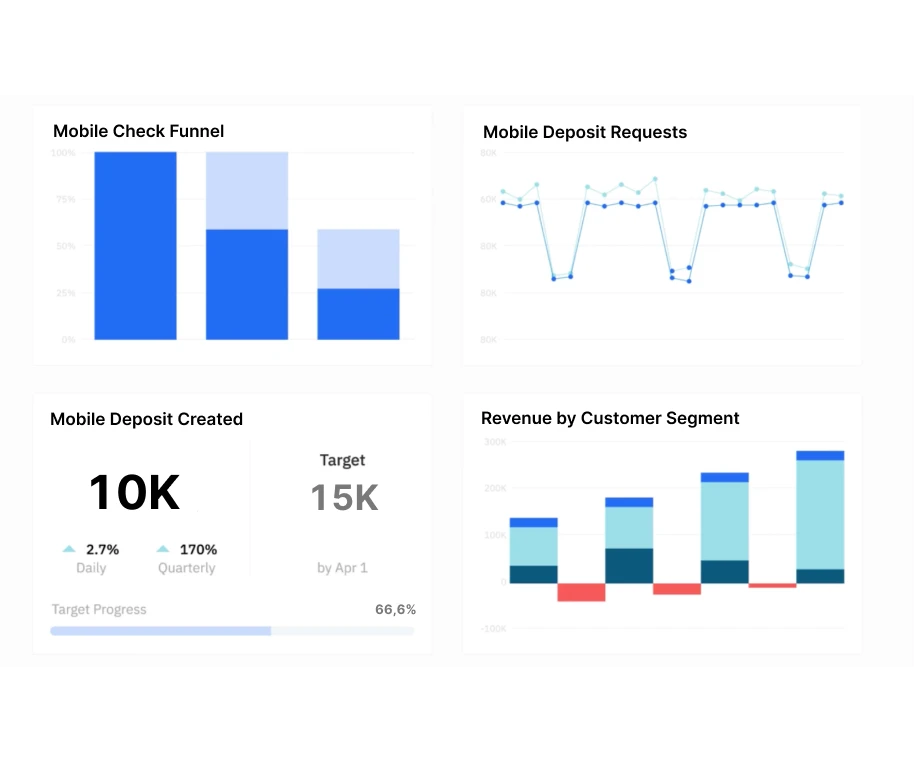
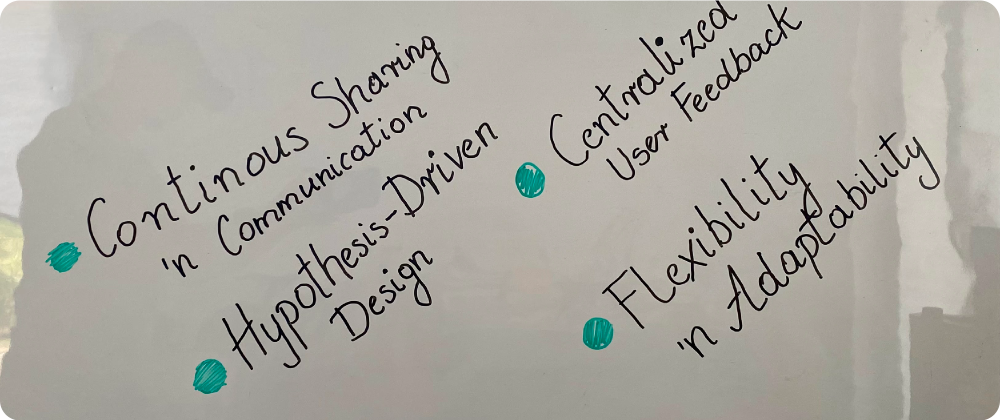
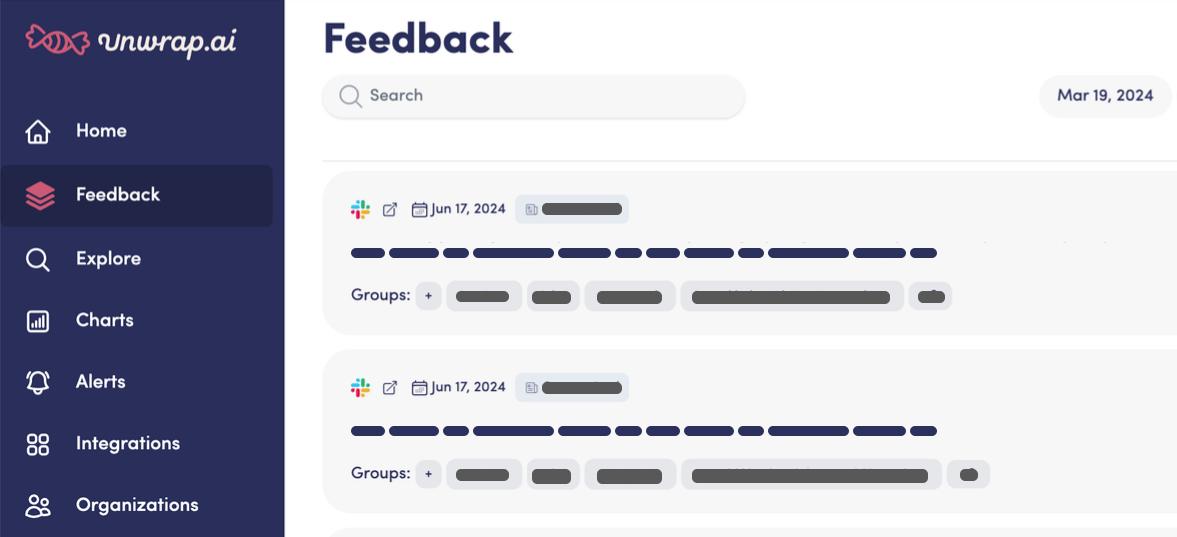
I combined follow-up calls, emails, direct alpha user feedback, usage analytics, and user interviews to gather comprehensive input. Consolidating all data in one place allowed me to identify recurring pain points and prioritize critical issues.
B
Key findings
“When I attempted a deposit, I wasn’t sure how close I was to my limit. The app didn’t show real-time usage, and I ended up getting an unexpected rejection.”
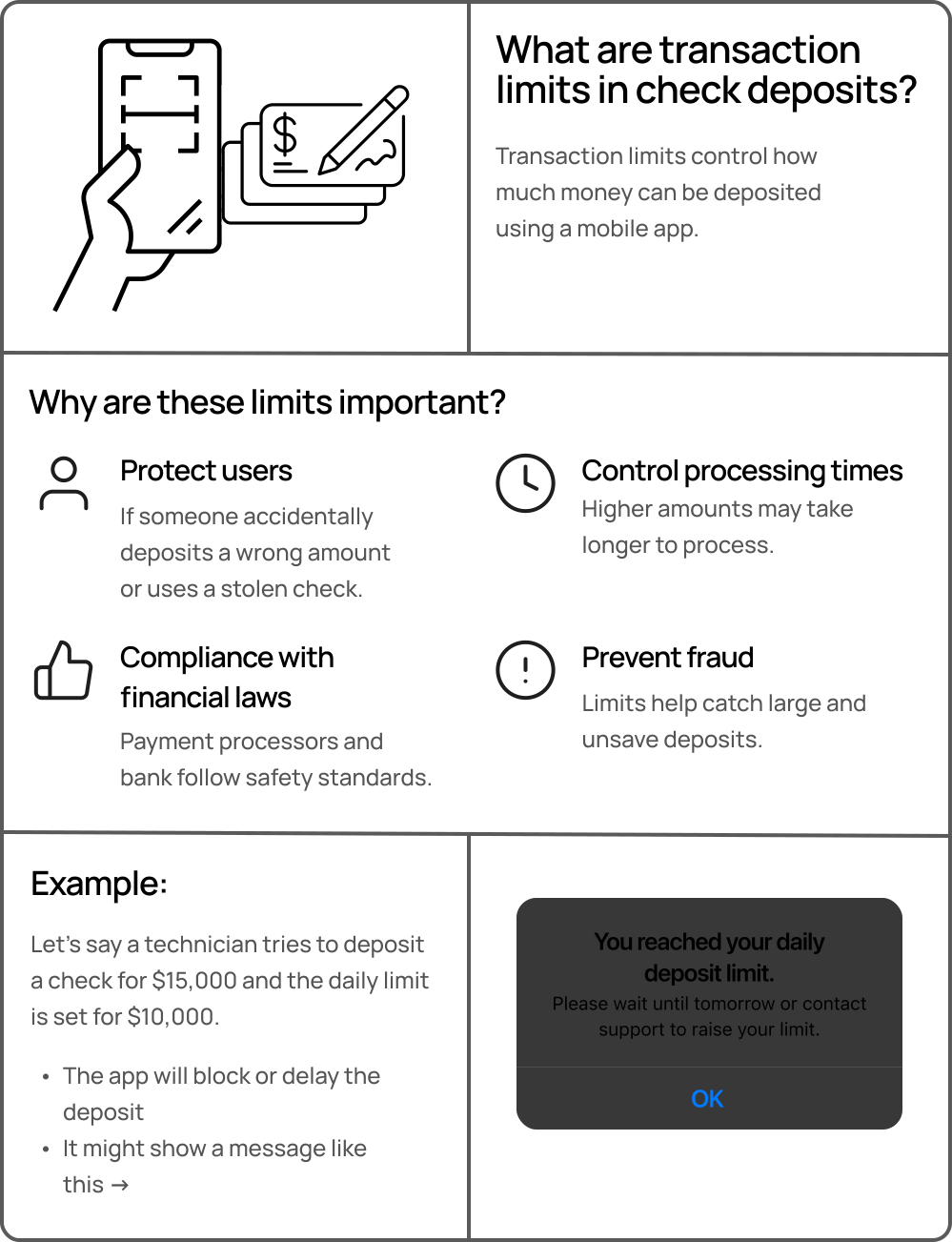
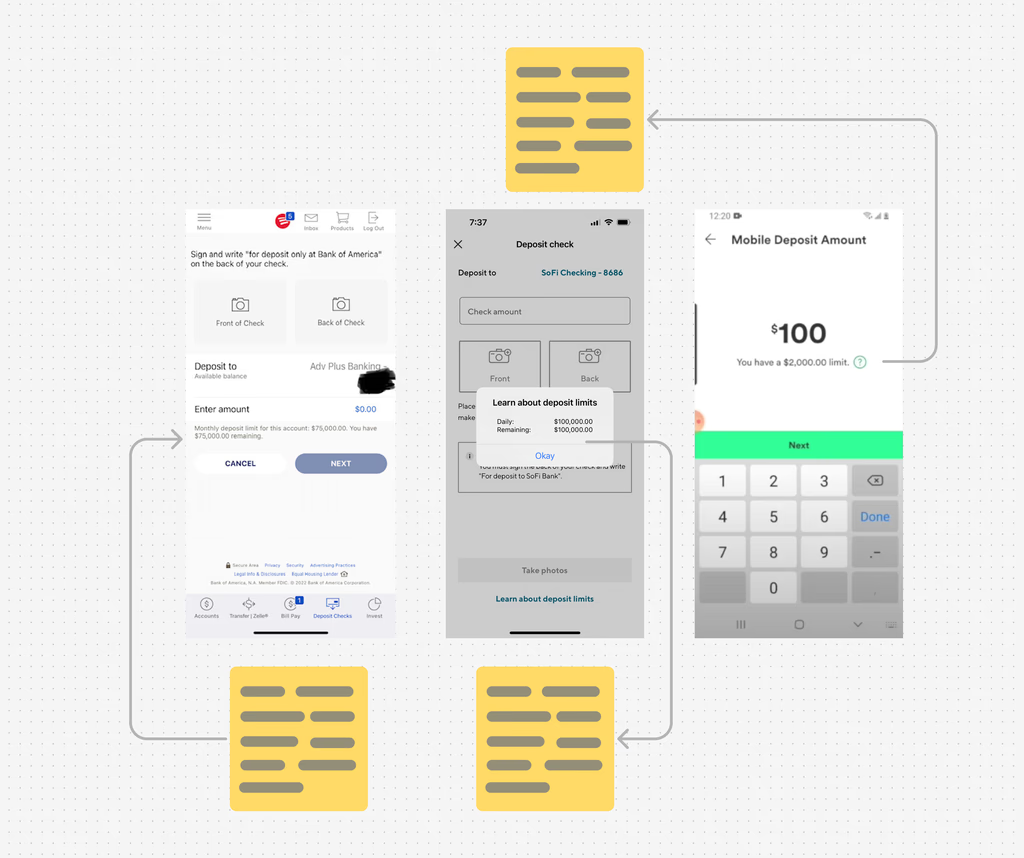
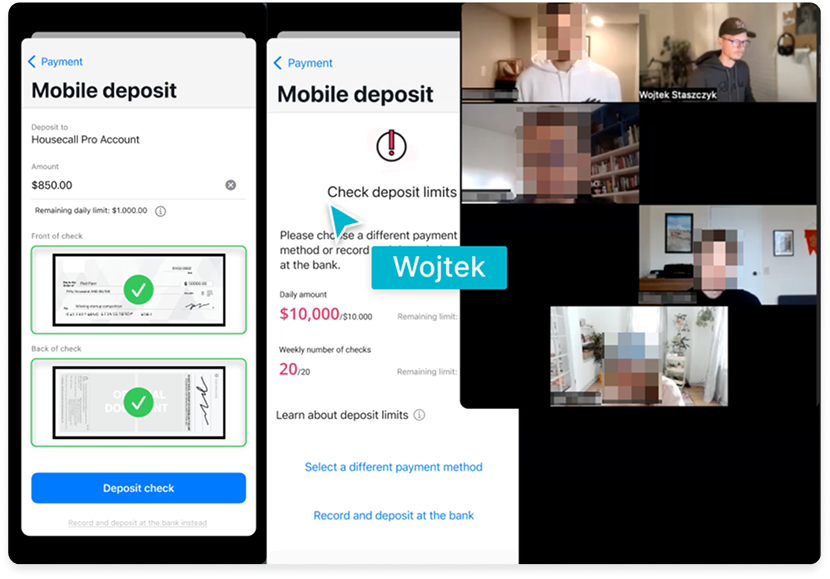
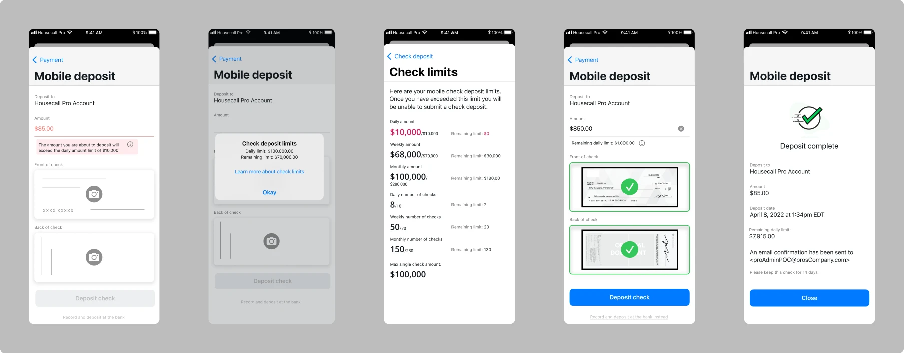
Unclear limit visibility - users didn’t know how close they were to their limit in real time, leading to unexpected rejections.
“Once I hit my limit, I had no idea when it would reset. This uncertainty made planning my deposits really challenging.”
Ambiguous reset timing - when the limit was hit, users had no idea when it would reset.
High frequency of near-limit deposits. Usage analytics revealed that nearly 50% of deposit attempts occur when users have reached 70–90% of their limit, indicating a critical need for better real-time limit visibility.
“Exceeding the limit disrupts my workflow. I need clear guidance on what happens next, whether I should wait for a reset, contact support, or try a different approach.”
Frustration over process interruptions - users needed clear next steps when a deposit was rejected.
C
Aligning with Roadmap and Choosing Direction
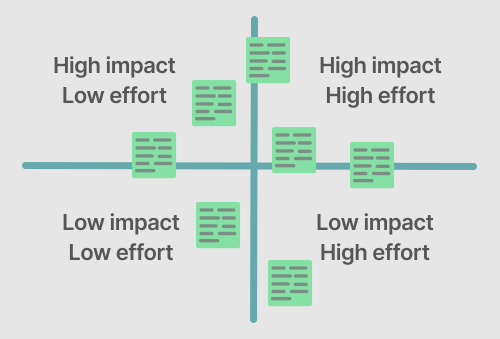
- Roadmap alignment: Reviewed prioritized feedback in the context of our product roadmap.
- Beta release preparation: Identified the beta release as the next key milestone.
- Stakeholder discussions: Collaborated with fintech stakeholders to identify critical blockers.
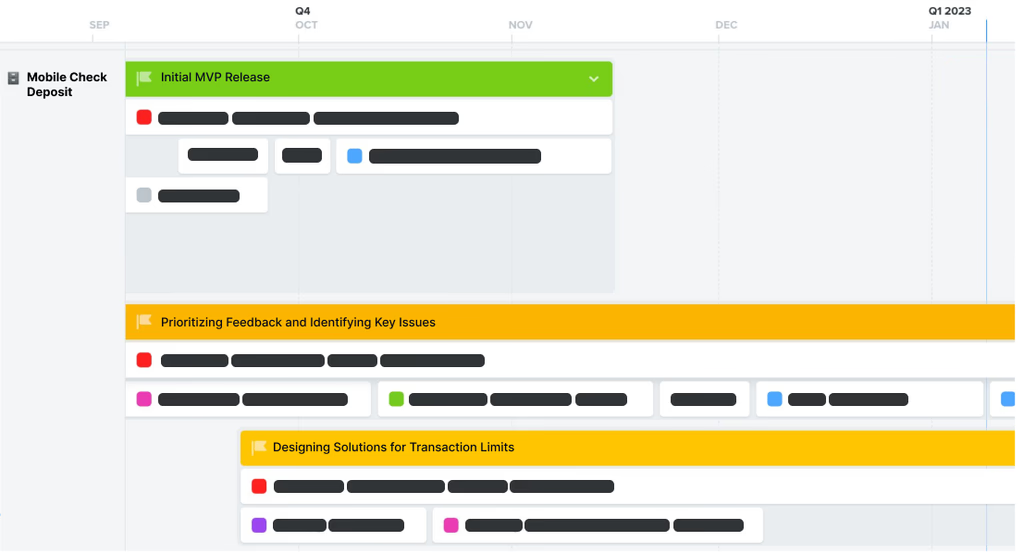
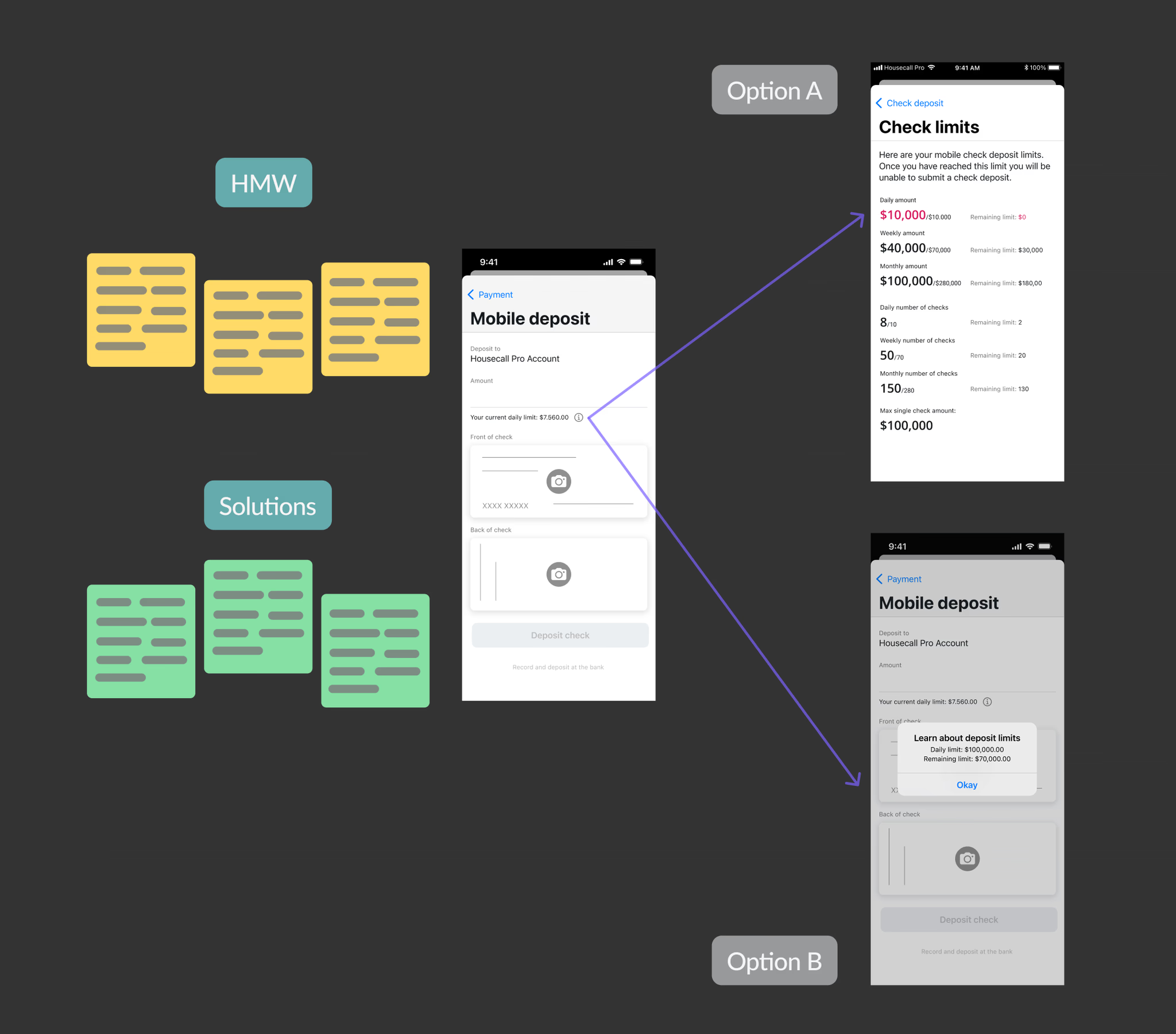
New direction: Transaction Limits
Problem statement: Unclear transaction limit indicators cause user anxiety and workflow disruptions. Unexpected rejections compromise security and compliance (impacting Stripe’s check validation) and fail to adapt to the varied needs of small and large businesses, preventing the broader rollout of this feature.